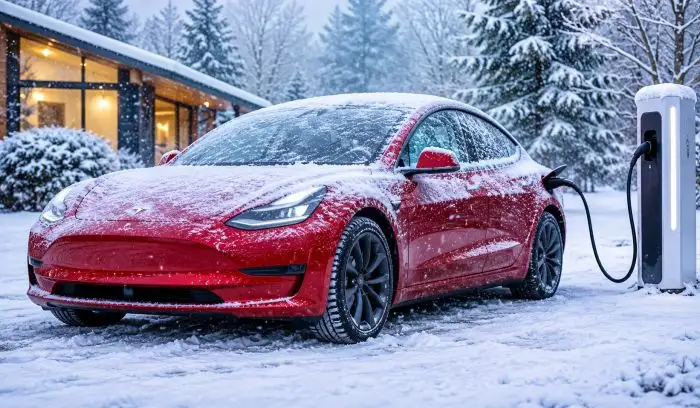
Every electric car owner knows that cold weather kills EV range. You charge to full You drive a few miles. A Tesla heat pump fixes this problem by moving heat rather than making it. It pulls heat from the outside air and pushes it into the cabin.
This system uses far less battery power than old-style heaters Tesla added it in 2020. It cut winter range loss by a noticeable amount. It gets you more miles, keeps you warm, and lasts longer Here's how it works and how much it costs to fix. That is where the Tesla heat pump technology explained simply comes in.
What Is a Heat Pump?
A heat pump moves heat from one place to another. It does not create heat. It moves it.
Think of your fridge. It pulls heat out of the food and pushes it into your kitchen. A heat pump in a car does the same thing, but it can work both ways. It can pull heat from outside air and push it into the cabin. Or it can pull heat out of the cabin and push it outside.
Gas cars use engine waste heat to warm the cabin. Electric cars do not have a hot engine. They need another way to stay warm. That is where the heat pump comes in.
Read More: Tesla FSD 2026 Latest Features: What's New and How It Works
How Does Tesla Heat Pump Work?
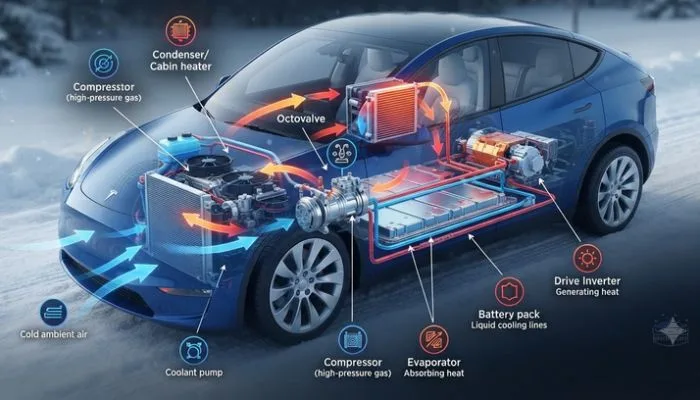
Tesla's system is more advanced than a standard heat pump. It has several parts working together.
- The octovalve. This is the heart of the system. It is a multi-way valve that directs coolant to different parts of the car. It can send heat to the cabin, the battery, or the motors. It can also pull heat from one place to warm another.
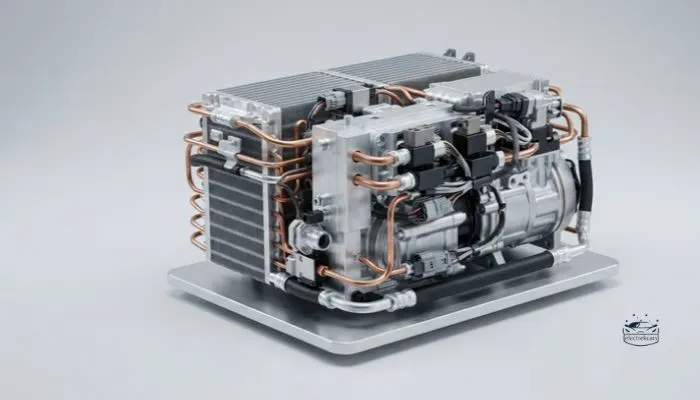
- The supermanifold. This is a single part that combines twelve components into one. It saves weight and space. It also makes the system more reliable because there are fewer connections to leak.
- Waste heat recovery. Tesla's system captures heat from the battery, the motors, and the electronics. Instead of throwing that heat away, it uses it to warm the cabin or the battery. This is why Tesla cars stay efficient in cold weather.
- The compressor. It moves refrigerant through the system. It works in both directions. In winter, it pulls heat from outside. In summer, it pushes heat out.
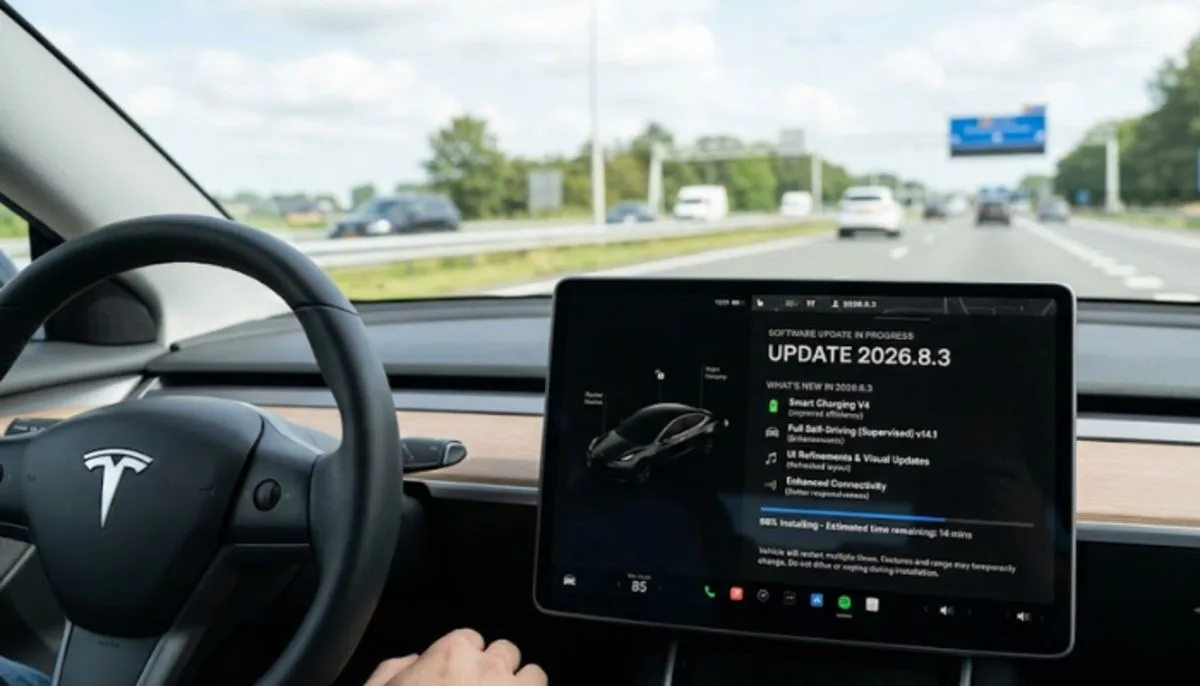
The whole system is controlled by software. Tesla can update how it works through over-the-air updates. The car learns and improves over time.
Why the Heat Pump Matters?
Cold weather hurts electric car range. Batteries do not like the cold. They hold less charge. They charge slower. The cabin heater uses a lot of power. All of this adds up to less range.
A heat pump fixes this. It uses far less energy than a resistive heater. A resistive heater works like a toaster. It turns electricity into heat. It is simple but wasteful. A heat pump moves heat instead of making it. It is two to three times more efficient.
Tesla says its heat pump can improve range by up to 20% in cold weather. That is the difference between making it home and calling a tow truck.
Tesla Heat Pump Price
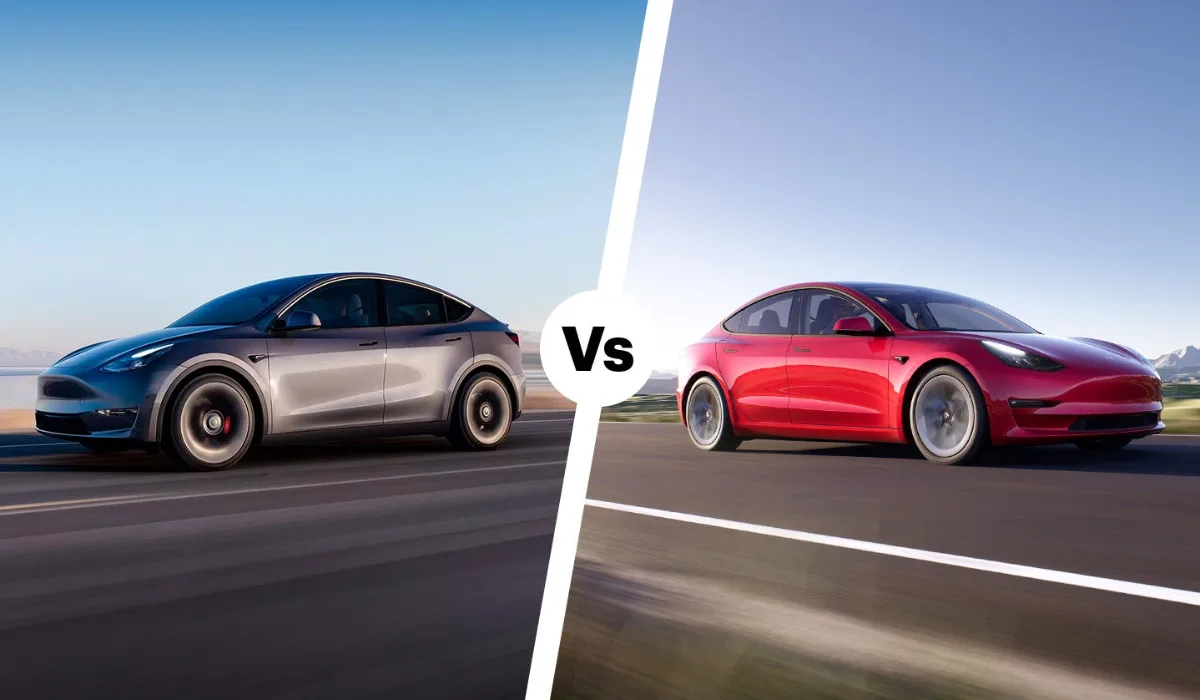
The heat pump is built into every new Tesla. You do not pay extra for it. It comes standard on the Model 3, Model Y, Model S, and Model X.
If your heat pump breaks, the repair cost depends on the part. A full heat pump replacement can cost $1,500 to $2,500 at a Tesla service center. Some independent shops charge less. The octovalve alone can cost $500 to $800. The supermanifold is more.
Tesla offers a warranty. The heat pump is covered under the basic vehicle warranty for four years or 50,000 miles. After that, you pay.
Tesla Model 3 Heat Pump Price
The Model 3 has had a heat pump since 2021. Earlier models used a resistive heater. If you have a 2021 or newer Model 3, you have a heat pump.
Replacement cost for a Model 3 heat pump is about $1,200 to $2,000. The exact price depends on your location and the shop. Tesla service centers are usually cheaper than independent shops for this part.
If you have an older Model 3 without a heat pump, you cannot add one. The system is too integrated. You would need to buy a newer car.
You May Also Read: Tesla Model 3 Long Range Review: Real Range and Battery Facts
Cold Weather Tips for Tesla Owners
- Preheat your car while plugged in. This warms the cabin and the battery using grid power, not battery power.
- Use seat heaters instead of the cabin heater when you can. They use less energy.
- Park in a garage if possible. It keeps the battery warmer.
- Use Chill mode in winter. It smooths out power delivery and saves energy.
- Keep your battery above 20% in cold weather. A cold battery at low charge is slow to charge and slow to drive.
The Bottom Line
Tesla's heat pump is a big deal. It makes electric cars work in cold weather. It saves range. It saves energy. It is one of the reasons Teslas perform better than many rivals in winter.
The system is complex. The octovalve and supermanifold are clever engineering. But you do not need to understand every part. You just need to know it works and it does.
FAQs
1. What does a Tesla heat pump actually do?
It moves heat around instead of making it. In winter, it pulls warmth from outside air, the battery, and the motors to heat your cabin. In summer, it pushes heat out to cool you down. That is why it uses far less power than a normal heater.
2. How does the Tesla heat pump work?
Three main parts do the job. The octovalve directs coolant where it is needed. The supermanifold combines twelve parts into one to save space and weight. The compressor moves refrigerant both ways. Software ties it all together and improves over time through updates.
3. How much does a Tesla heat pump cost?
It comes standard on every new Tesla. You pay nothing extra. If it breaks outside warranty, a replacement runs about $1,500 to $2,500 at a Tesla service center. Independent shops may charge less. The octovalve alone costs $500 to $800.
4. Does my Tesla Model 3 have a heat pump?
If it is a 2021 model or newer, yes. Earlier Model 3 cars used a resistive heater instead. You cannot add a heat pump to an older Model 3. The system is too integrated into the car.
5. Why does the heat pump matter in cold weather?
Cold drains battery range. A resistive heater makes it worse because it wastes power. A heat pump moves heat instead of making it, so it uses two to three times less energy. Tesla says it can add up to 20% more range in winter. That could be the difference between reaching home and needing a tow.