BMW is changing how it builds electric car batteries. The company is moving from flat rectangular cells to round cylindrical ones for its Neue Klasse models. This is not a small tweak. It is a complete overhaul. The BMW Neue Klasse battery technology explained simply means more range, faster charging, and lower costs.
You get 20% more energy in the same space. You charge 30% quicker. BMW spends less to make each battery. The first cars with this new battery are arriving now. The iX3 leads the way. This guide breaks down everything you need to know about the new battery. No jargon. Just clear facts.
What is the Neue Klasse?
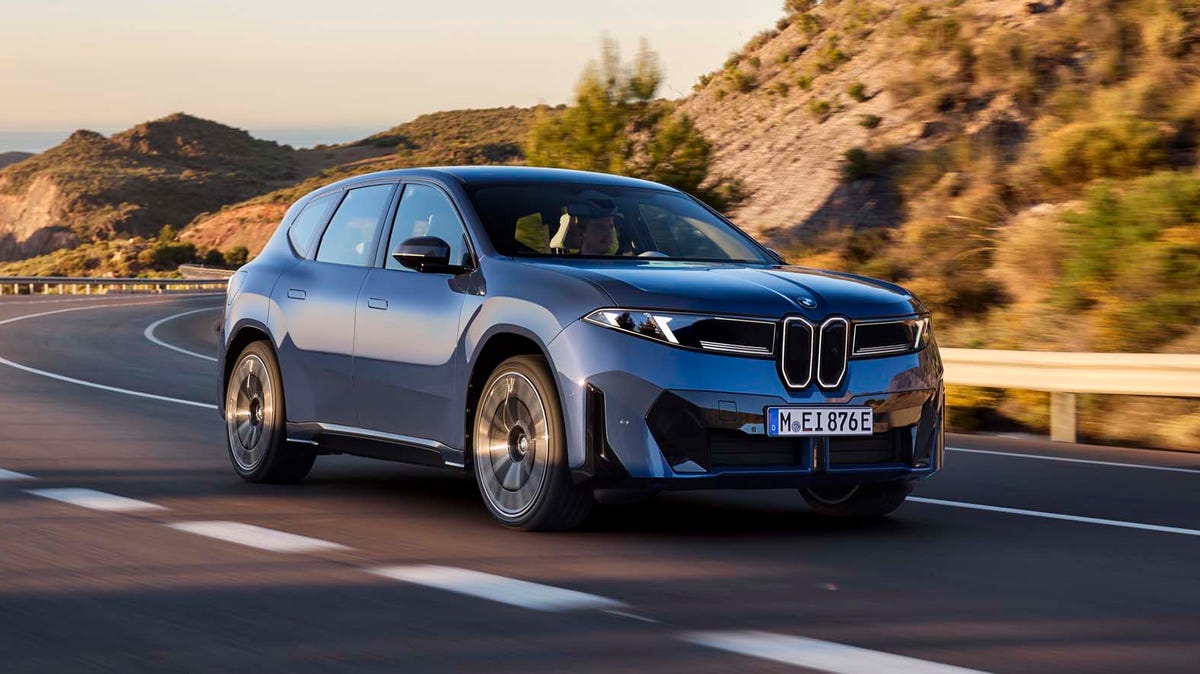
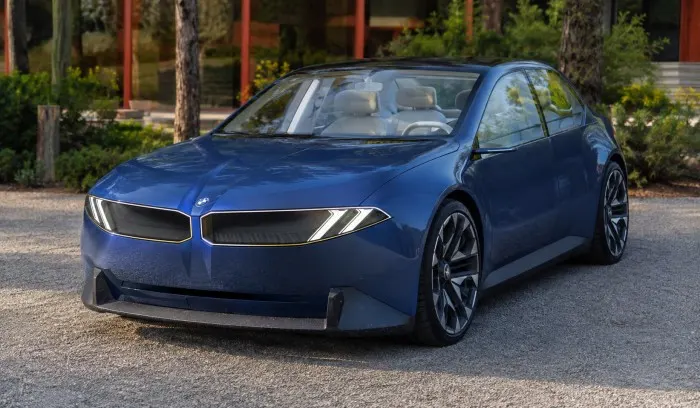
The Neue Klasse is BMW's new electric vehicle platform. It launches first with the iX3 SUV, followed by the i3 sedan . These cars are built from the ground up as electric vehicles. They are not adapted from gas-powered models. The Gen6 battery is the heart of this new platform .
Read More: Why Does BMW Not Have White Interior?
New Battery Shape: Cylindrical Cells
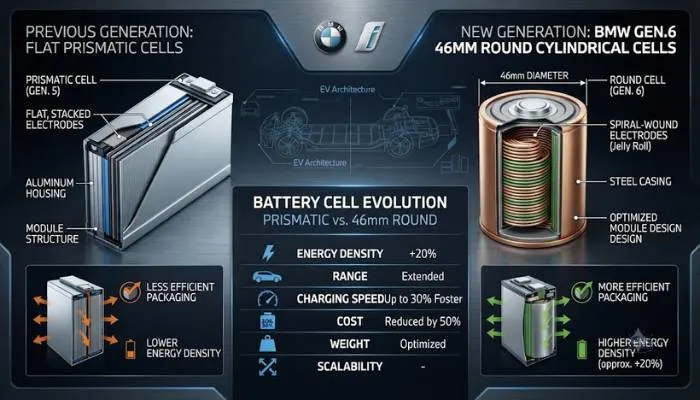
BMW used prismatic cells for its previous electric cars. Think of them as flat rectangular blocks stacked together. The Gen6 battery uses cylindrical cells that are 46mm in diameter.
These come in two sizes :
-
4695: 46mm wide, 95mm tall. Used in smaller cars like the iX3 and i3.
-
46120: 46mm wide, 120mm tall. Used in larger vehicles like the upcoming iX5.
The cylindrical shape packs more energy into less space. BMW says the new cells give you 20% higher energy density compared to the Gen5 prismatic cells .
Cell-to-Pack Design
The old way of building batteries was modular. Cells went into modules. Modules went into a pack. The pack went into the car. BMW throws out the middle step.
The Gen6 battery uses a cell-to-pack design. Cylindrical cells go directly into the battery pack. No modules. No struts. This makes the battery slimmer, lighter, and more compact .
The battery pack also becomes part of the car's structure. It forms the vehicle floor. This makes the car stiffer, safer in crashes, and more aerodynamic .
800V Charging
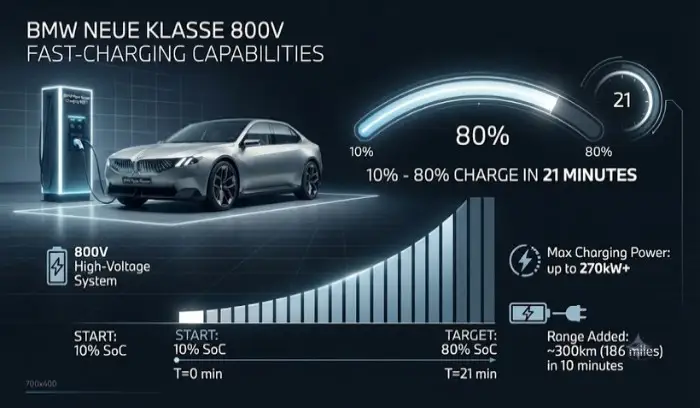
The Gen6 battery runs on an 800-volt system. Most current EVs use 400 volts. The higher voltage means less heat and less energy loss during charging.
Here is what the 800V system delivers :
- 30% faster DC charging than the Gen5 battery
- Up to 300 kilometers of range added in 10 minutes
- 50% reduction in energy loss
The system can also switch between 800V and 400V charging. You can use older chargers without any issues . The iX3 charges at peak rates of 400kW and can go from 10% to 80% in about 21 minutes .
Battery Chemistry
The first Neue Klasse vehicles use nickel manganese cobalt (NMC) chemistry for their battery cells. But BMW has made changes to the recipe.
The cathode uses less nickel and cobalt than before. The anode uses more silicon. The company used real-world data from existing EVs to refine the chemistry . The result is a battery that lasts longer and performs better across different temperatures.
AESC, one of BMW's suppliers, produces 46120 cells with up to 310 Wh/kg energy density using a high-nickel cathode and silicon-doped anode .
The Energy Master Control Unit
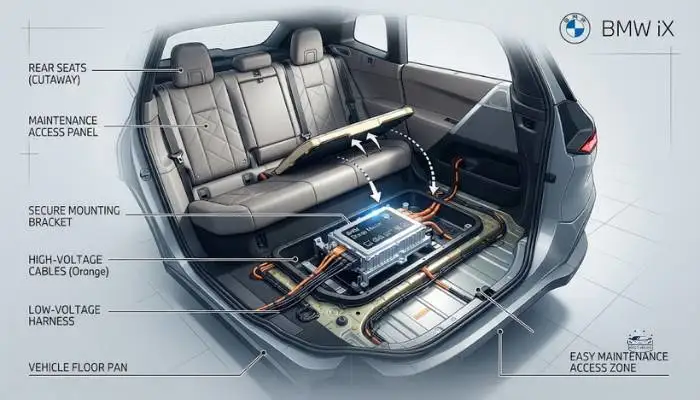
BMW built its own battery control unit called the Energy Master. It handles everything :
- Switching between 400V and 800V charging
- Managing high-voltage and low-voltage power
- Monitoring battery health and state of charge
Previous BMW batteries had the control unit buried inside the pack. If it failed, you replaced the whole battery. The Energy Master sits under the rear seats. You can replace it without removing the entire battery pack. This saves money on repairs .
Battery Suppliers
BMW sources Gen6 cells from multiple manufacturers.
- AESC produces 46120 cells for BMW in mass production. The iX5 will be the first vehicle using these cells . AESC also supplies BMW's US plant, though construction delays caused some uncertainty .
- LG Energy Solution secured a major order for 46mm cylindrical cells. The contract is valued at about €5.8 billion over ten years. This is the first time LGES has supplied cells for BMW's battery-electric vehicles .
- CATL also partners with BMW on battery production in China .
BMW builds its own battery packs at assembly plants in Germany, the US, and China. The packs are assembled close to vehicle production to keep supply chains stable .
Range and Performance
The Neue Klasse iX3 shows what the Gen6 battery can do. Three versions are available :
| Model | Battery Type | Capacity | Range (CLTC) |
|---|---|---|---|
| iX3 30L | LFP (lithium iron phosphate) | 77 kWh | 630 km |
| iX3 40L xDrive | NMC cylindrical | 86.9 kWh | 702 km |
| iX3 50L xDrive | NMC cylindrical | 113.4 kWh | 919 km |
The 50L version charges to 80% in about 21 minutes and adds up to 418 kilometers of range in 10 minutes .
You May Also Read: BMW Neue Klasse EV: The Future of Electric Innovation
Sustainability
BMW is cutting the carbon footprint of its batteries. The Gen6 cells reduce CO2 emissions by 33% per watt-hour compared to Gen5 cells . This comes from:
- Using renewable energy in cell production
- Using recycled materials for cobalt, lithium, and nickel
- More efficient manufacturing processes
BMW also works with recycling partners to break down old batteries into high-quality metals that go back into new battery production .
The Bottom Line
The Gen6 battery is a major step forward for BMW. The new cylindrical cells give you more range. The 800V system charges your car faster. The cell-to-pack design makes the car lighter and safer. The Energy Master makes repairs cheaper. The cost reductions might even bring prices down.
The first Neue Klasse models are arriving now. The iX3 is already on sale in some markets. The i3 follows soon . This is not a small update. This is BMW reinventing how it builds electric cars. And the battery is the biggest part of that story.
FAQs
1. What changed with the Neue Klasse battery?
BMW used flat rectangular cells before. Now they use round cylindrical cells. The new ones pack more energy in less space. You get 20% more range. It charges 30% quicker. BMW spends up to 50% less to make each battery. That could mean cheaper cars for you.
2. How quick does it charge?
The battery runs on 800 volts. Most EVs run on 400 volts. Double the voltage means less heat and less wasted energy. You add 300 kilometers of range in just 10 minutes. The iX3 goes from nearly empty to 80% full in about 21 minutes. That is quick enough for a coffee break.
3. Who builds these cells?
BMW uses three suppliers. AESC makes cells for the iX5. LG Energy Solution has a ten-year deal worth about €5.8 billion. CATL supplies cells for China. BMW puts the packs together itself at factories in Germany, the US, and China.
4. What is the Energy Master?
It is the brain that controls the battery. It manages charging, power flow, and battery health. Older BMW batteries had this part buried inside the pack. If it failed, you replaced the whole thing. The Energy Master sits under the back seats. You can change it without touching the battery. That saves you money on repairs.
5. How far does it go on one charge?
The iX3 comes in three versions. The entry model gives you 630 kilometers. The middle one gives you 702 kilometers. The top one gives you 919 kilometers. That is enough for most people for a whole week of driving.